

Puppies
When you first acquire your new puppy, he or she should visit the veterinarian for a full physical exam and assessment.
Most puppies will receive 3 sets of vaccines. It is very important that these vaccines are given within a certain time-frame to ensure that your puppy is fully protected against the common diseases of dogs, including parvovirus and distemper. Depending on your dog’s lifestyle and exposure to other dogs and wildlife, vaccines against lyme disease, canine cough or leptospirosis may be recommended.
Also, puppies should be dewormed to rid them of common parasites, like roundworms and hookworms. Puppies acquire these worms from their mothers at a young age; some parasites can even be acquired before they are born. It is also important to take a stool sample to check for other less common parasites, so they can be treated if necessary. Another reason to test stool samples is that many of these parasites can be passed to people, causing a variety of illnesses.
Crate-training and house-training should start after 6 weeks of age. Consistency is very important to helping your puppy learn quickly. Please ask your veterinarian for helpful tips if you are having difficulty with crate or house-training. The crate should be just large enough for your puppy to stand up and turn around comfortably. It should not be so large that your puppy can go to the washroom at one end, and wander to the other end to sleep. This may mean that as your puppy grows you may need to upgrade the size of your crate. It is also recommended that all puppies attend puppy classes. This allows new owners to gain information on training; but even if you are experienced with training, it allows your puppy to socialize and learn to interact appropriately with other dogs.
Trimming your dog’s nails should become a part of his or her routine early in life. Please see the section on Health Care at Home for information on nail trimming.
At 6 months of age, it is strongly recommended that your dog be neutered if he is male, or spayed if she is female. This not only helps curb unwanted behaviours, like urine marking, aggression, but also prevents bleeding while females are in heat, and unwanted pregnancies. In females, spaying also greatly reduces the risk of mammary cancer later in life, and prevents ovarian cancers and serious uterine infections, known as pyometras. In males, neutering reduces the risks of many prostate diseases. This is also a great time to microchip your pet.
Please call or drop by to ask about our puppy packages, which include vaccines, deworming, stool testing and a spay or neuter.
Dogs
Your adult dog should be seen at least once a year for an annual exam and any required vaccines. An annual exam allows your veterinarian to assess the health of your dog’s eyes, ears, teeth and internal organs. Annual stool checks are recommended to monitor for parasites. This visit also gives you a chance to discuss any concerns about behaviour or weight issues, and to follow-up with any previous health concerns.
Seniors
Dogs over the age of 10 are considered senior patients, and large breed dogs are considered a senior patient at an earlier age. We recommend senior patients have annual blood and urine screenings to identify diseases early, before there are any signs of illness, so we can begin appropriate treatments. Senior patients, along with dogs of any age with illnesses, should have exams and labwork every 6 months to monitor for any changes in their condition. Some of the common diseases of senior dogs that your veterinarian will be looking for include dental disease, hyporthyroidism and liver disease.

Annual Halloween Costume Contest
October 6, 2026
Our Annual Happy Halloween Costume Contest is back!
Email a picture of your tail wagging trick or treater in their favorite Halloween Haut Couture to parkdaleanimalhospital@gmail.com and we will enter them in our contest to win a prize basket filled with tricks, treats and other surprises!
All photos of our contestants will be posted to our Facebook and Instagram.
The pet with the most likes wins, so be sure that you and everyone you know visits us @parkdalevets to vote for your favourite candy crusader in their Halloween best!
Contest closes for entries at 8pm on Thursday October 29th, voting will continue until 12pm on Friday October 3oth and the winner will be announced on October 31st!
*only one picture per pet will be entered into the contest
**your pet does not have to be a patient to enter the contest!
Read More
They’re Still Out There: Your Cat Is Still At Risk For Parasites
September 30, 2026
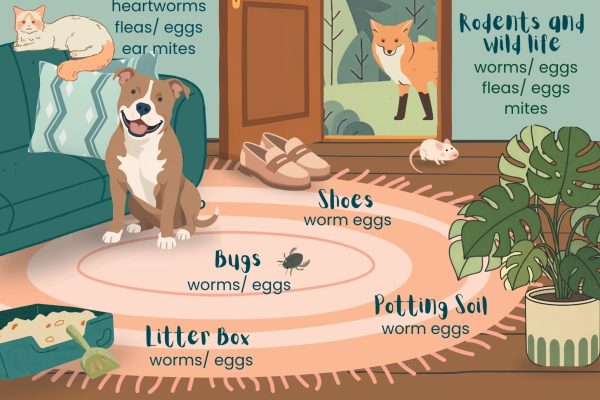
Your cat is still at risk for contracting parasites. Parasite eggs are always around and Flea and tick populations are at their peak in early fall. These and other parasites can find their way to your cat, even if it never goes outside!
Read More

Have Your Pet Spayed or Neutered
August 27, 2026
The price is WRONG Bobby!
Spare yourself the potential heartache and have your pet spayed or neutered!
Read More

Civic Holiday
July 14, 2026
As we seem to be racing through the summer, another holiday is upon us. We…
Read More

Canada Day 2026
June 29, 2026
Wishing everyone a very safe and Happy Canada Day, from the whole team at Parkdale Animal hospital!
🍁🍁🍁
Please be aware, we will be CLOSED
Wednesday July 1st, regular hours will resume Thursday July 2nd at 8:am
If you have an emergency during this time, please contact the Veterinary Emergency Clinic at 416-920-2002 or the CTVRC at 416-784-4444
Read More